mirror of
https://github.com/devicekit/DeviceKit.git
synced 2026-06-16 10:24:30 +00:00
 Dennis Weissmann
527 lines
20 KiB
Swift
527 lines
20 KiB
Swift
//
|
|
// Device.swift
|
|
// DeviceKit
|
|
//
|
|
// Created by Dennis Weissmann on 11/16/14.
|
|
// Copyright (c) 2014 Hot Action Studios. All rights reserved.
|
|
//
|
|
|
|
import class UIKit.UIDevice
|
|
import class UIKit.UIScreen
|
|
import struct Darwin.utsname
|
|
import func Darwin.uname
|
|
import func Darwin.round
|
|
import func Darwin.getenv
|
|
|
|
// MARK: - Device
|
|
|
|
/// This enum is a value-type wrapper around and extension of
|
|
/// [`UIDevice`](https://developer.apple.com/library/ios/documentation/UIKit/Reference/UIDevice_Class/).
|
|
///
|
|
/// This port is not yet complete and will be extended as I need further functionality. Feel free to extend it and send a pull request. Thanks! :)
|
|
///
|
|
/// Usage:
|
|
///
|
|
/// let device = Device()
|
|
///
|
|
/// print(device) // prints, for example, "iPhone 6 Plus"
|
|
///
|
|
/// if device == .iPhone6Plus {
|
|
/// // Do something
|
|
/// } else {
|
|
/// // Do something else
|
|
/// }
|
|
///
|
|
/// ...
|
|
///
|
|
/// if device.batteryState == .Full || device.batteryState >= .Charging(75) {
|
|
/// print("Your battery is happy! 😊")
|
|
/// }
|
|
///
|
|
/// ...
|
|
///
|
|
/// if device.batteryLevel >= 50 {
|
|
/// install_iOS()
|
|
/// } else {
|
|
/// showError()
|
|
/// }
|
|
///
|
|
public enum Device {
|
|
#if os(iOS)
|
|
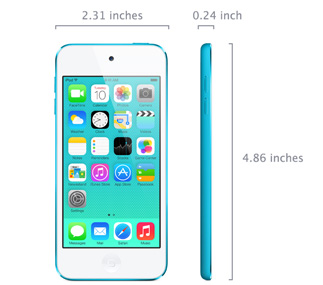
/// Device is an [iPod Touch (5th generation)](https://support.apple.com/kb/SP657)
|
|
///
|
|
/// 
|
|
case iPodTouch5
|
|
|
|
/// Device is an [iPod Touch (6th generation)](https://support.apple.com/kb/SP720)
|
|
///
|
|
/// 
|
|
case iPodTouch6
|
|
|
|
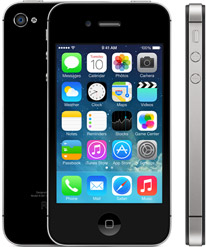
/// Device is an [iPhone 4](https://support.apple.com/kb/SP587)
|
|
///
|
|
/// 
|
|
case iPhone4
|
|
|
|
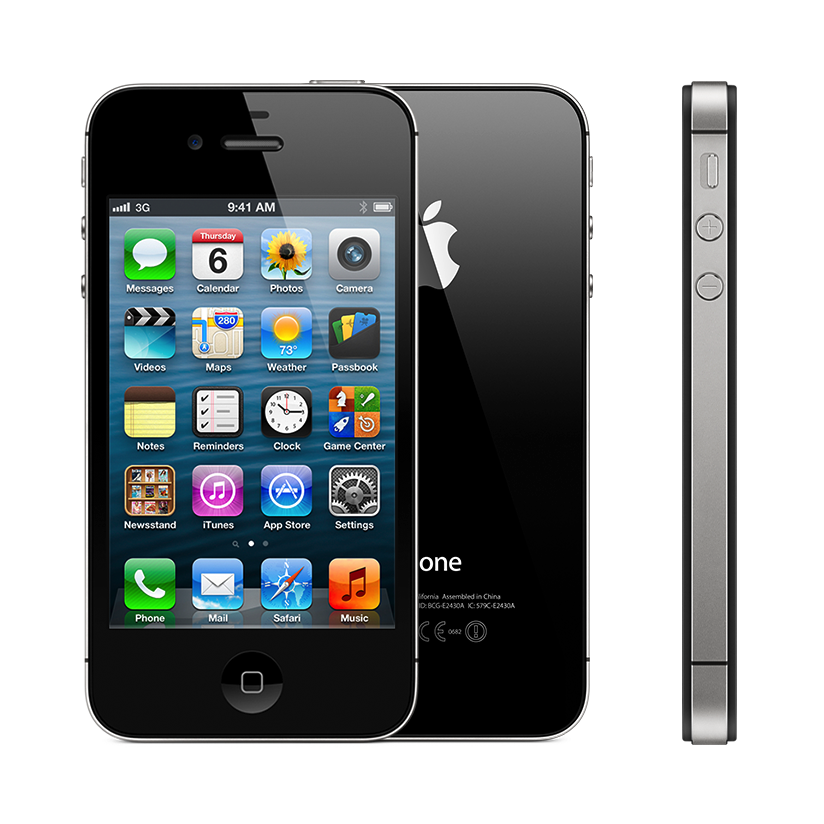
/// Device is an [iPhone 4s](https://support.apple.com/kb/SP643)
|
|
///
|
|
/// 
|
|
case iPhone4s
|
|
|
|
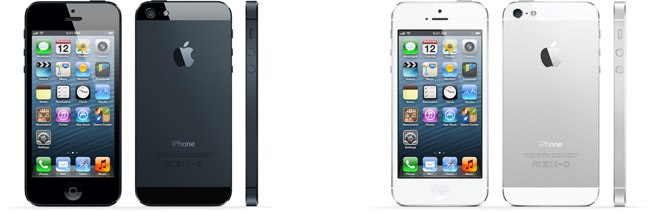
/// Device is an [iPhone 5](https://support.apple.com/kb/SP655)
|
|
///
|
|
/// 
|
|
case iPhone5
|
|
|
|
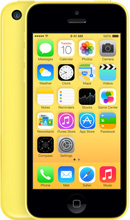
/// Device is an [iPhone 5c](https://support.apple.com/kb/SP684)
|
|
///
|
|
/// 
|
|
case iPhone5c
|
|
|
|
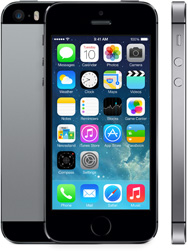
/// Device is an [iPhone 5s](https://support.apple.com/kb/SP685)
|
|
///
|
|
/// 
|
|
case iPhone5s
|
|
|
|
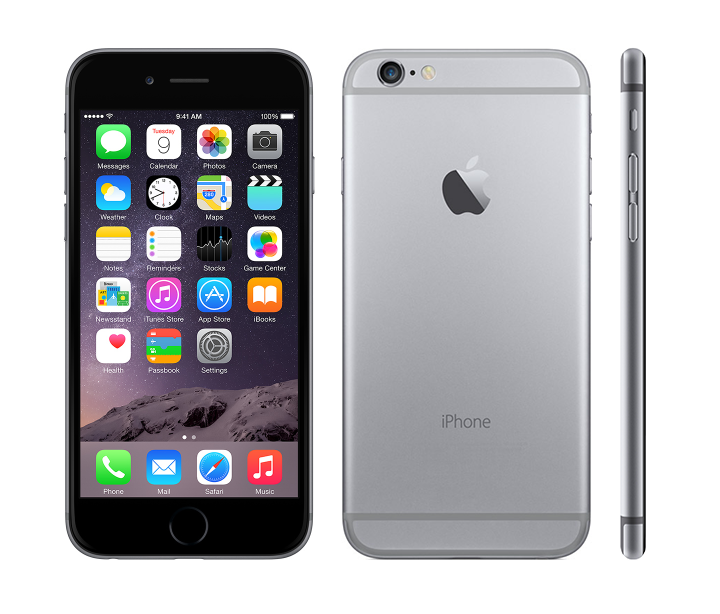
/// Device is an [iPhone 6](https://support.apple.com/kb/SP705)
|
|
///
|
|
/// 
|
|
case iPhone6
|
|
|
|
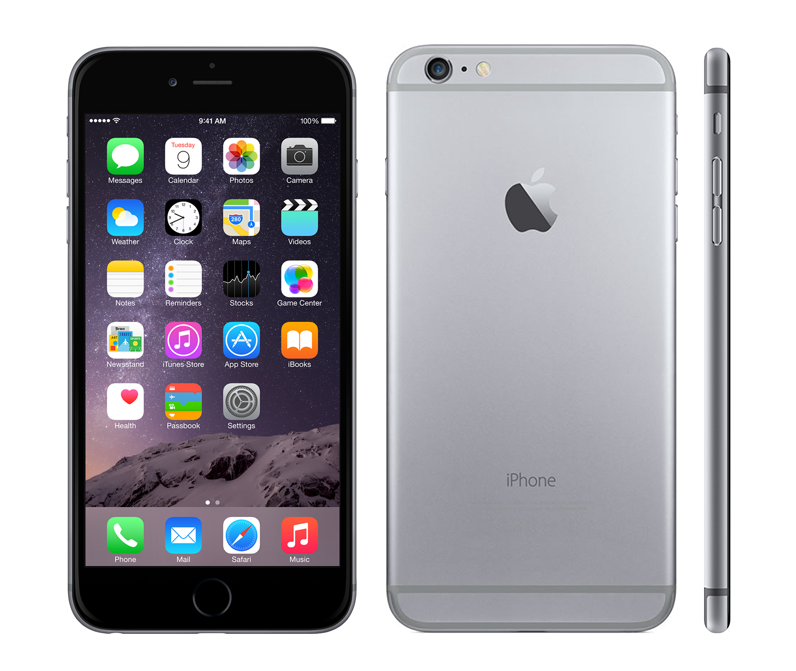
/// Device is an [iPhone 6 Plus](https://support.apple.com/kb/SP706)
|
|
///
|
|
/// 
|
|
case iPhone6Plus
|
|
|
|
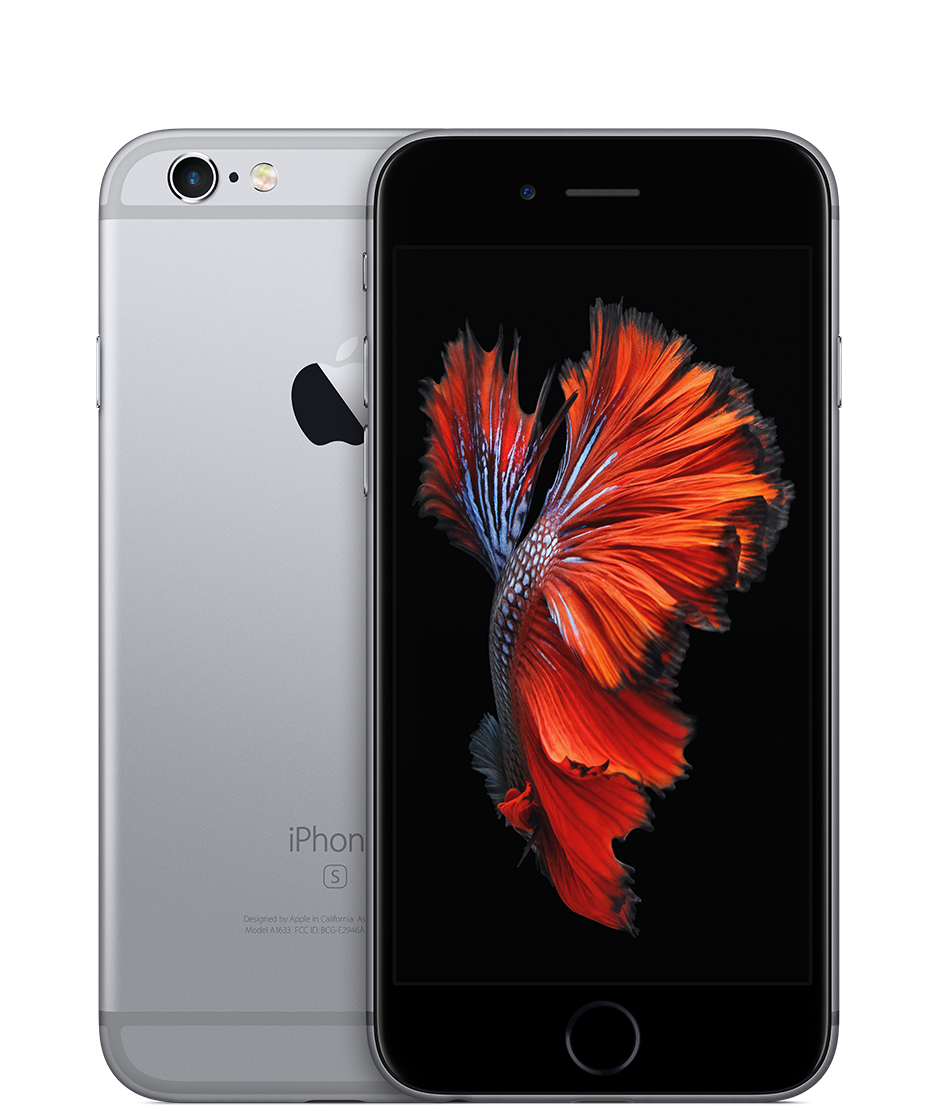
/// Device is an [iPhone 6s](https://support.apple.com/kb/SP726)
|
|
///
|
|
/// 
|
|
case iPhone6s
|
|
|
|
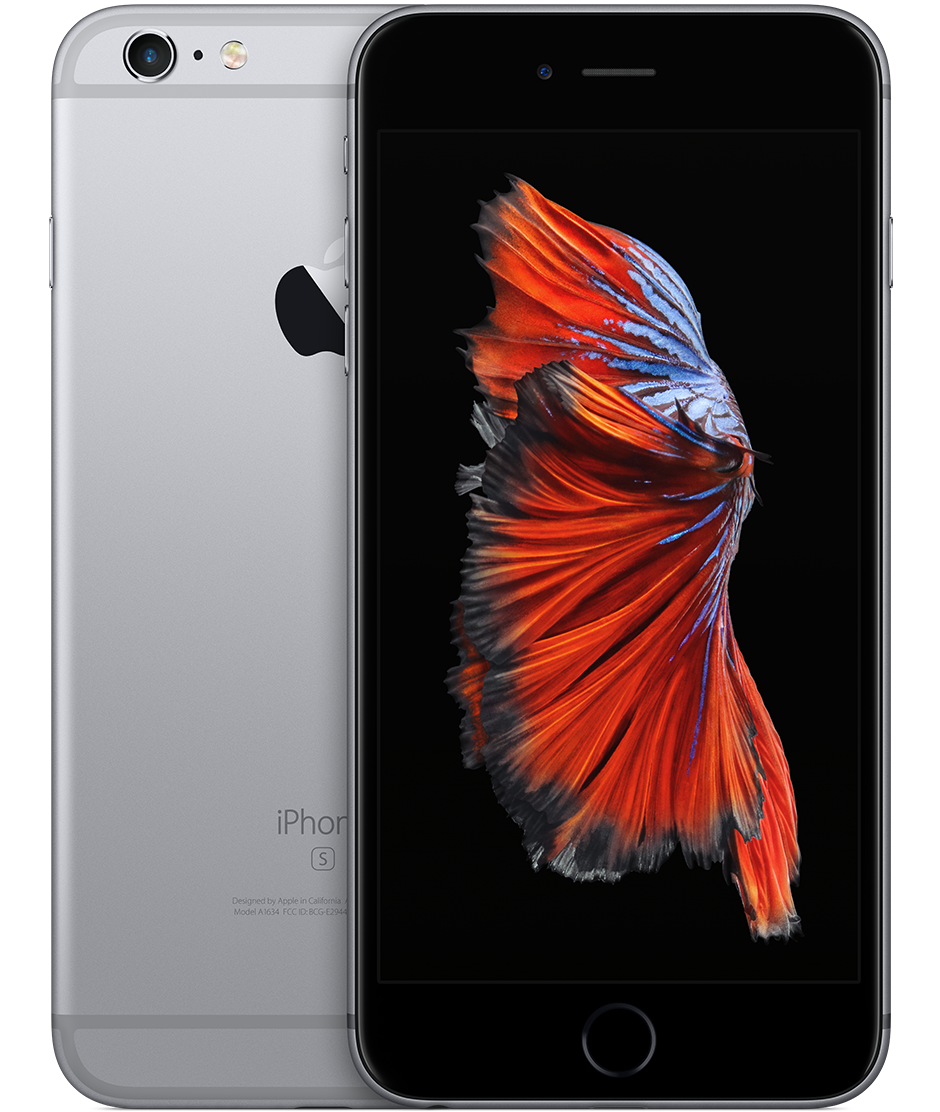
/// Device is an [iPhone 6s Plus](https://support.apple.com/kb/SP727)
|
|
///
|
|
/// 
|
|
case iPhone6sPlus
|
|
|
|
/// Device is an [iPhone SE](https://support.apple.com/kb/SP738???) TODO: Spec page not posted yet
|
|
///
|
|
///  TODO: Image page not posted yet
|
|
case iPhoneSE
|
|
|
|
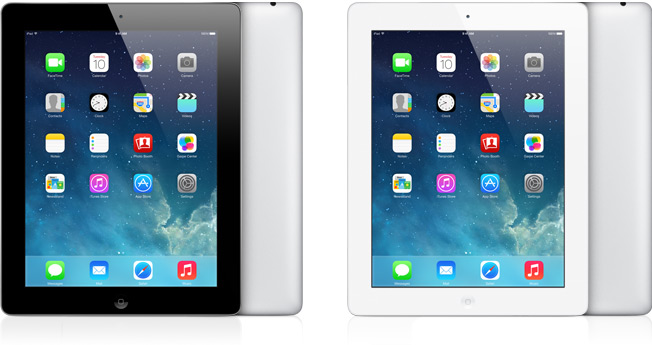
/// Device is an [iPad 2](https://support.apple.com/kb/SP622)
|
|
///
|
|
/// 
|
|
case iPad2
|
|
|
|
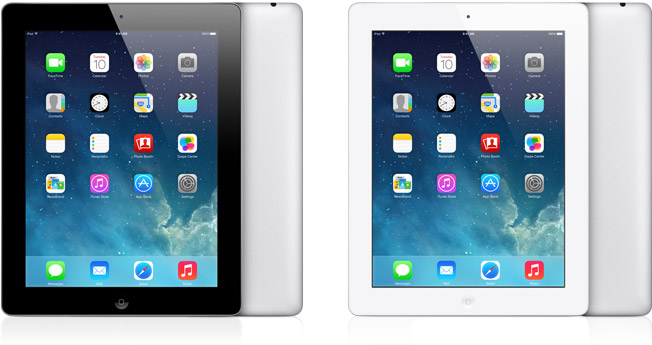
/// Device is an [iPad (3rd generation)](https://support.apple.com/kb/SP647)
|
|
///
|
|
/// 
|
|
case iPad3
|
|
|
|
/// Device is an [iPad (4th generation)](https://support.apple.com/kb/SP662)
|
|
///
|
|
/// 
|
|
case iPad4
|
|
|
|
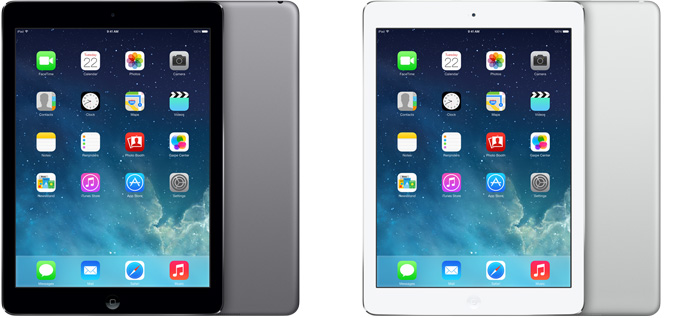
/// Device is an [iPad Air](https://support.apple.com/kb/SP692)
|
|
///
|
|
/// 
|
|
case iPadAir
|
|
|
|
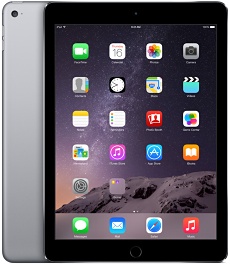
/// Device is an [iPad Air 2](https://support.apple.com/kb/SP708)
|
|
///
|
|
/// 
|
|
case iPadAir2
|
|
|
|
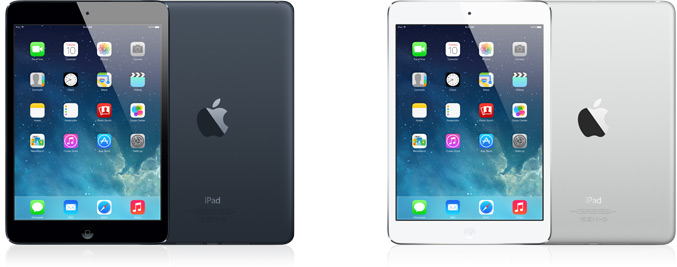
/// Device is an [iPad Mini](https://support.apple.com/kb/SP661)
|
|
///
|
|
/// 
|
|
case iPadMini
|
|
|
|
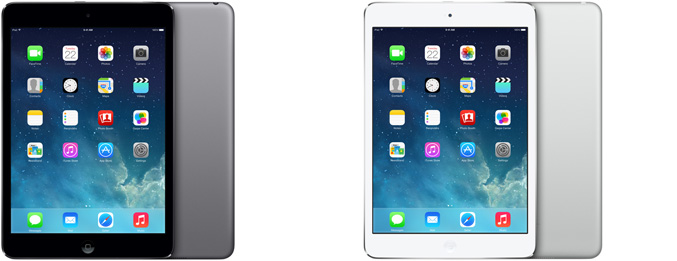
/// Device is an [iPad Mini 2](https://support.apple.com/kb/SP693)
|
|
///
|
|
/// 
|
|
case iPadMini2
|
|
|
|
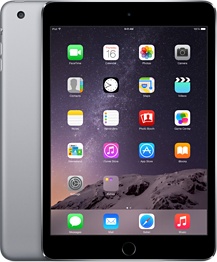
/// Device is an [iPad Mini 3](https://support.apple.com/kb/SP709)
|
|
///
|
|
/// 
|
|
case iPadMini3
|
|
|
|
/// Device is an [iPad Mini 4](https://support.apple.com/kb/SP725)
|
|
///
|
|
/// 
|
|
case iPadMini4
|
|
|
|
/// Device is an [iPad Pro](http://www.apple.com/ipad-pro/)
|
|
///
|
|
/// 
|
|
case iPadPro9Inch
|
|
case iPadPro12Inch
|
|
|
|
#elseif os(tvOS)
|
|
/// Device is an [Apple TV](http://www.apple.com/tv/)
|
|
///
|
|
/// 
|
|
case appleTV4
|
|
#endif
|
|
|
|
/// Device is [Simulator](https://developer.apple.com/library/ios/documentation/IDEs/Conceptual/iOS_Simulator_Guide/Introduction/Introduction.html)
|
|
///
|
|
/// 
|
|
indirect case simulator(Device)
|
|
|
|
/// Device is not yet known (implemented)
|
|
/// You can still use this enum as before but the description equals the identifier (you can get multiple identifiers for the same product class (e.g. "iPhone6,1" or "iPhone 6,2" do both mean "iPhone 5s))
|
|
case unknown(String)
|
|
|
|
public init() {
|
|
var systemInfo = utsname()
|
|
uname(&systemInfo)
|
|
let mirror = Mirror(reflecting: systemInfo.machine)
|
|
|
|
// I know that reduce is O(n^2) (see http://airspeedvelocity.net/2015/08/03/arrays-linked-lists-and-performance/) but it's *so* nice ❤️ and since we are working with very short strings it shouldn't matter.
|
|
let identifier = mirror.children.reduce("") { identifier, element in
|
|
guard let value = element.value as? Int8, value != 0 else { return identifier }
|
|
return identifier + String(UnicodeScalar(UInt8(value)))
|
|
}
|
|
|
|
func mapIdentifierToDevice(_ identifier: String) -> Device {
|
|
#if os(iOS)
|
|
switch identifier {
|
|
case "iPod5,1": return .iPodTouch5
|
|
case "iPod7,1": return .iPodTouch6
|
|
case "iPhone3,1", "iPhone3,2", "iPhone3,3": return .iPhone4
|
|
case "iPhone4,1": return .iPhone4s
|
|
case "iPhone5,1", "iPhone5,2": return .iPhone5
|
|
case "iPhone5,3", "iPhone5,4": return .iPhone5c
|
|
case "iPhone6,1", "iPhone6,2": return .iPhone5s
|
|
case "iPhone7,2": return .iPhone6
|
|
case "iPhone7,1": return .iPhone6Plus
|
|
case "iPhone8,1": return .iPhone6s
|
|
case "iPhone8,2": return .iPhone6sPlus
|
|
case "iPhone8,4": return .iPhoneSE
|
|
case "iPad2,1", "iPad2,2", "iPad2,3", "iPad2,4":return .iPad2
|
|
case "iPad3,1", "iPad3,2", "iPad3,3": return .iPad3
|
|
case "iPad3,4", "iPad3,5", "iPad3,6": return .iPad4
|
|
case "iPad4,1", "iPad4,2", "iPad4,3": return .iPadAir
|
|
case "iPad5,3", "iPad5,4": return .iPadAir2
|
|
case "iPad2,5", "iPad2,6", "iPad2,7": return .iPadMini
|
|
case "iPad4,4", "iPad4,5", "iPad4,6": return .iPadMini2
|
|
case "iPad4,7", "iPad4,8", "iPad4,9": return .iPadMini3
|
|
case "iPad5,1", "iPad5,2": return .iPadMini4
|
|
case "iPad6,3", "iPad6,4": return .iPadPro9Inch
|
|
case "iPad6,7", "iPad6,8": return .iPadPro12Inch
|
|
case "i386", "x86_64": return .simulator(mapIdentifierToDevice(String(validatingUTF8:
|
|
getenv("SIMULATOR_MODEL_IDENTIFIER"))!))
|
|
default: return .unknown(identifier)
|
|
}
|
|
#elseif os(tvOS)
|
|
switch identifier {
|
|
case "AppleTV5,3": return .appleTV4
|
|
case "i386", "x86_64": return .simulator(mapIdentifierToDevice(String(validatingUTF8:
|
|
getenv("SIMULATOR_MODEL_IDENTIFIER"))!))
|
|
default: return .unknown(identifier)
|
|
}
|
|
#endif
|
|
}
|
|
self = mapIdentifierToDevice(identifier)
|
|
}
|
|
|
|
#if os(iOS)
|
|
public static var allPods: [Device] {
|
|
return [.iPodTouch5, .iPodTouch6]
|
|
}
|
|
|
|
/// All iPhones
|
|
public static var allPhones: [Device] {
|
|
return [.iPhone4, iPhone4s, .iPhone5, .iPhone5s, .iPhone6, .iPhone6Plus, .iPhone6s, .iPhone6sPlus, .iPhoneSE]
|
|
}
|
|
|
|
/// All iPads
|
|
public static var allPads: [Device] {
|
|
return [.iPad2, .iPad3, .iPad4, .iPadAir, .iPadAir2, .iPadMini, .iPadMini2, .iPadMini3, .iPadMini4, .iPadPro9Inch, .iPadPro12Inch]
|
|
}
|
|
|
|
/// All simulator iPods
|
|
public static var allSimulatorPods: [Device] {
|
|
return allPods.map(Device.simulator)
|
|
}
|
|
|
|
/// All simulator iPhones
|
|
public static var allSimulatorPhones: [Device] {
|
|
return allPhones.map(Device.simulator)
|
|
}
|
|
|
|
/// All simulator iPads
|
|
public static var allSimulatorPads: [Device] {
|
|
return allPads.map(Device.simulator)
|
|
}
|
|
|
|
/// Returns whether the device is an iPod (real or simulator)
|
|
public var isPod: Bool {
|
|
return self.isOneOf(Device.allPods) || self.isOneOf(Device.allSimulatorPods)
|
|
}
|
|
|
|
/// Returns whether the device is an iPhone (real or simulator)
|
|
public var isPhone: Bool {
|
|
return self.isOneOf(Device.allPhones) || self.isOneOf(Device.allSimulatorPhones)
|
|
}
|
|
|
|
/// Returns whether the device is an iPad (real or simulator)
|
|
public var isPad: Bool {
|
|
return self.isOneOf(Device.allPads) || self.isOneOf(Device.allSimulatorPads)
|
|
}
|
|
|
|
/// Returns whether the device is any of the simulator
|
|
/// Useful when there is a need to check and skip running a portion of code (location request or others)
|
|
public var isSimulator: Bool {
|
|
return self.isOneOf(Device.allSimulators)
|
|
}
|
|
|
|
public var isZoomed: Bool {
|
|
return UIScreen.main.scale < UIScreen.main.nativeScale
|
|
}
|
|
|
|
#elseif os(tvOS)
|
|
/// All TVs
|
|
public static var allTVs: [Device] {
|
|
return [.appleTV4]
|
|
}
|
|
|
|
/// All simulator TVs
|
|
public static var allSimulatorTVs: [Device] {
|
|
return allTVs.map(Device.simulator)
|
|
}
|
|
#endif
|
|
|
|
/// All real devices (i.e. all devices except for all simulators)
|
|
public static var allRealDevices: [Device] {
|
|
#if os(iOS)
|
|
return allPods + allPhones + allPads
|
|
#elseif os(tvOS)
|
|
return allTVs
|
|
#endif
|
|
}
|
|
|
|
/// All simulators
|
|
public static var allSimulators: [Device] {
|
|
return allRealDevices.map(Device.simulator)
|
|
}
|
|
|
|
/**
|
|
This method saves you in many cases from the need of updating your code with every new device.
|
|
Most uses for an enum like this are the following:
|
|
|
|
```
|
|
switch Device() {
|
|
case .iPodTouch5, .iPodTouch6: callMethodOnIPods()
|
|
case .iPhone4, iPhone4s, .iPhone5, .iPhone5s, .iPhone6, .iPhone6Plus, .iPhone6s, .iPhone6sPlus, .iPhoneSE: callMethodOnIPhones()
|
|
case .iPad2, .iPad3, .iPad4, .iPadAir, .iPadAir2, .iPadMini, .iPadMini2, .iPadMini3, .iPadMini4, .iPadPro: callMethodOnIPads()
|
|
default: break
|
|
}
|
|
```
|
|
This code can now be replaced with
|
|
|
|
```
|
|
let device = Device()
|
|
if device.isOneOf(Device.allPods) {
|
|
callMethodOnIPods()
|
|
} else if device.isOneOf(Device.allPhones) {
|
|
callMethodOnIPhones()
|
|
} else if device.isOneOf(Device.allPads) {
|
|
callMethodOnIPads()
|
|
}
|
|
```
|
|
|
|
- parameter devices: An array of devices.
|
|
|
|
- returns: Returns whether the current device is one of the passed in ones.
|
|
*/
|
|
public func isOneOf(_ devices: [Device]) -> Bool {
|
|
return devices.contains(self)
|
|
}
|
|
|
|
/// The style of interface to use on the current device.
|
|
/// This is pretty useless right now since it does not add any further functionality to the existing
|
|
/// [UIUserInterfaceIdiom](https://developer.apple.com/library/ios/documentation/UIKit/Reference/UIDevice_Class/#//apple_ref/c/tdef/UIUserInterfaceIdiom) enum.
|
|
public enum UserInterfaceIdiom {
|
|
|
|
/// The user interface should be designed for iPhone and iPod touch.
|
|
case phone
|
|
/// The user interface should be designed for iPad.
|
|
case pad
|
|
/// The user interface should be designed for TV
|
|
case tv
|
|
/// The user interface should be designed for Car
|
|
case carPlay
|
|
/// Used when an object has a trait collection, but it is not in an environment yet. For example, a view that is created, but not put into a view hierarchy.
|
|
case unspecified
|
|
|
|
private init() {
|
|
switch UIDevice.current.userInterfaceIdiom {
|
|
case .pad: self = .pad
|
|
case .phone: self = .phone
|
|
case .tv: self = .tv
|
|
case .carPlay: self = .carPlay
|
|
default: self = .unspecified
|
|
}
|
|
}
|
|
|
|
}
|
|
|
|
/// The name identifying the device (e.g. "Dennis' iPhone").
|
|
public var name: String {
|
|
return UIDevice.current.name
|
|
}
|
|
|
|
/// The name of the operating system running on the device represented by the receiver (e.g. "iPhone OS" or "tvOS").
|
|
public var systemName: String {
|
|
return UIDevice.current.systemName
|
|
}
|
|
|
|
/// The current version of the operating system (e.g. 8.4 or 9.2).
|
|
public var systemVersion: String {
|
|
return UIDevice.current.systemVersion
|
|
}
|
|
|
|
/// The model of the device (e.g. "iPhone" or "iPod Touch").
|
|
public var model: String {
|
|
return UIDevice.current.model
|
|
}
|
|
|
|
/// The model of the device as a localized string.
|
|
public var localizedModel: String {
|
|
return UIDevice.current.localizedModel
|
|
}
|
|
|
|
}
|
|
|
|
// MARK: - CustomStringConvertible
|
|
extension Device: CustomStringConvertible {
|
|
|
|
public var description: String {
|
|
#if os(iOS)
|
|
switch self {
|
|
case .iPodTouch5: return "iPod Touch 5"
|
|
case .iPodTouch6: return "iPod Touch 6"
|
|
case .iPhone4: return "iPhone 4"
|
|
case .iPhone4s: return "iPhone 4s"
|
|
case .iPhone5: return "iPhone 5"
|
|
case .iPhone5c: return "iPhone 5c"
|
|
case .iPhone5s: return "iPhone 5s"
|
|
case .iPhone6: return "iPhone 6"
|
|
case .iPhone6Plus: return "iPhone 6 Plus"
|
|
case .iPhone6s: return "iPhone 6s"
|
|
case .iPhone6sPlus: return "iPhone 6s Plus"
|
|
case .iPhoneSE: return "iPhone SE"
|
|
case .iPad2: return "iPad 2"
|
|
case .iPad3: return "iPad 3"
|
|
case .iPad4: return "iPad 4"
|
|
case .iPadAir: return "iPad Air"
|
|
case .iPadAir2: return "iPad Air 2"
|
|
case .iPadMini: return "iPad Mini"
|
|
case .iPadMini2: return "iPad Mini 2"
|
|
case .iPadMini3: return "iPad Mini 3"
|
|
case .iPadMini4: return "iPad Mini 4"
|
|
case .iPadPro9Inch: return "9.7-inch iPad Pro"
|
|
case .iPadPro12Inch: return "12.9-inch iPad Pro"
|
|
case .simulator(let model): return "Simulator (\(model))"
|
|
case .unknown(let identifier): return identifier
|
|
}
|
|
#elseif os(tvOS)
|
|
switch self {
|
|
case .appleTV4: return "Apple TV 4"
|
|
case .simulator(let model): return "Simulator (\(model))"
|
|
case .unknown(let identifier): return identifier
|
|
}
|
|
#endif
|
|
}
|
|
}
|
|
|
|
// MARK: - Equatable
|
|
extension Device: Equatable {}
|
|
|
|
public func == (lhs: Device, rhs: Device) -> Bool {
|
|
return lhs.description == rhs.description
|
|
}
|
|
|
|
#if os(iOS)
|
|
// MARK: - Battery
|
|
extension Device {
|
|
/**
|
|
This enum describes the state of the battery.
|
|
|
|
- Full: The device is plugged into power and the battery is 100% charged or the device is the iOS Simulator.
|
|
- Charging: The device is plugged into power and the battery is less than 100% charged.
|
|
- Unplugged: The device is not plugged into power; the battery is discharging.
|
|
*/
|
|
public enum BatteryState: CustomStringConvertible, Equatable {
|
|
/// The device is plugged into power and the battery is 100% charged or the device is the iOS Simulator.
|
|
case full
|
|
/// The device is plugged into power and the battery is less than 100% charged.
|
|
/// The associated value is in percent (0-100).
|
|
case charging(Int)
|
|
/// The device is not plugged into power; the battery is discharging.
|
|
/// The associated value is in percent (0-100).
|
|
case unplugged(Int)
|
|
|
|
fileprivate init() {
|
|
UIDevice.current.isBatteryMonitoringEnabled = true
|
|
let batteryLevel = Int(round(UIDevice.current.batteryLevel * 100)) // round() is actually not needed anymore since -[batteryLevel] seems to always return a two-digit precision number
|
|
// but maybe that changes in the future.
|
|
switch UIDevice.current.batteryState {
|
|
case .charging: self = .charging(batteryLevel)
|
|
case .full: self = .full
|
|
case .unplugged:self = .unplugged(batteryLevel)
|
|
case .unknown: self = .full // Should never happen since `batteryMonitoring` is enabled.
|
|
}
|
|
UIDevice.current.isBatteryMonitoringEnabled = false
|
|
}
|
|
|
|
public var description: String {
|
|
switch self {
|
|
case .charging(let batteryLevel): return "Battery level: \(batteryLevel)%, device is plugged in."
|
|
case .full: return "Battery level: 100 % (Full), device is plugged in."
|
|
case .unplugged(let batteryLevel): return "Battery level: \(batteryLevel)%, device is unplugged."
|
|
}
|
|
}
|
|
|
|
}
|
|
|
|
/// The state of the battery
|
|
public var batteryState: BatteryState {
|
|
return BatteryState()
|
|
}
|
|
|
|
/// Battery level ranges from 0 (fully discharged) to 100 (100% charged).
|
|
public var batteryLevel: Int {
|
|
switch BatteryState() {
|
|
case .charging(let value): return value
|
|
case .full: return 100
|
|
case .unplugged(let value): return value
|
|
}
|
|
}
|
|
|
|
}
|
|
|
|
// MARK: - Device.Batterystate: Comparable
|
|
extension Device.BatteryState: Comparable {}
|
|
|
|
public func == (lhs: Device.BatteryState, rhs: Device.BatteryState) -> Bool {
|
|
return lhs.description == rhs.description
|
|
}
|
|
|
|
public func < (lhs: Device.BatteryState, rhs: Device.BatteryState) -> Bool {
|
|
switch (lhs, rhs) {
|
|
case (.full, _): return false // return false (even if both are `.Full` -> they are equal)
|
|
case (_, .full): return true // lhs is *not* `.Full`, rhs is
|
|
case (.charging(let lhsLevel), .charging(let rhsLevel)): return lhsLevel < rhsLevel
|
|
case (.charging(let lhsLevel), .unplugged(let rhsLevel)): return lhsLevel < rhsLevel
|
|
case (.unplugged(let lhsLevel), .charging(let rhsLevel)): return lhsLevel < rhsLevel
|
|
case (.unplugged(let lhsLevel), .unplugged(let rhsLevel)): return lhsLevel < rhsLevel
|
|
default: return false // compiler won't compile without it, though it cannot happen
|
|
}
|
|
}
|
|
#endif
|